Book A Free Trial Click Here

© Copyright 2026. All Rights Reserved.
© Copyright 2026. All Rights Reserved.
 NEWS
NEWSCoach Ali
Jan 8, 2026, 03:02 PM
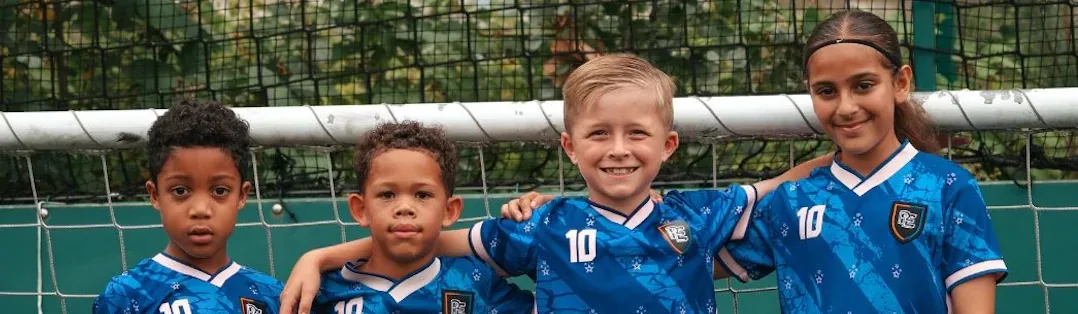
Resilience is something I believe in deeply, and I truly believe that sport plays a huge role in building resilience in children from a very young age.
When children play sport, and in our case football, they are constantly learning how to deal with both the highs and the challenges. You score a goal, amazing, but what comes next? You concede a goal, how do you respond and how quickly can you reset?
Watching our players in sessions is fascinating. In the space of just one session, they experience so many of these moments. You see a child lose a duel, burst into tears, then two minutes later they are flying again, smiling, competing and fully back in the game.
A big part of our work is with our coaches, helping them understand how to handle those moments properly. If you spend too long feeling sorry for a child when what they actually need is to bounce back, it can work against them in the long run. Getting that balance right is crucial. Sometimes they need to bounce straight back up after falling over. Other times, they need an arm around the shoulder to rebuild confidence before they can compete again.
It’s complex, it’s nuanced, and it’s never the same from child to child. But that’s exactly why we love what we do.
 NEWS
NEWSCoach Ali
Dec 17, 2025, 03:01 PM
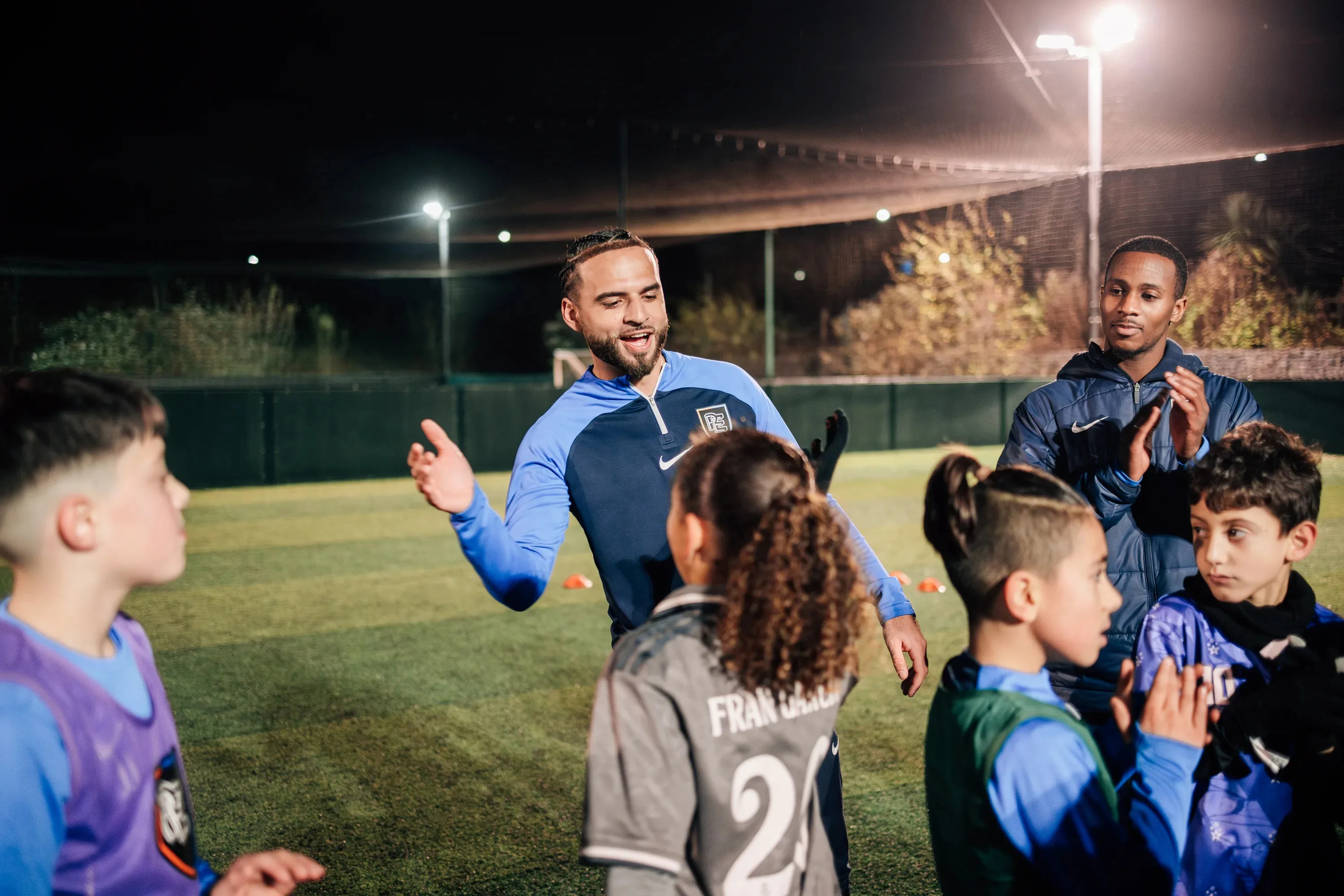
As a parent, it is super important to understand the “why” behind why your children do what they do in the football classes on the weekends, or in the week.
As part of our design process, we go back to our document which outlines our philosophy so that we can make sure we develop each individual child in a holistic way, so that they are well-balanced as they move throughout their journey of learning the beautiful game of football.
We have seen Eren, Luca, Karmello (and the rest of the superstars on our Hall Of Fame page) go through that early “grassroots football” development and we have refined our process to make sure there is always a balance between what they need to learn in those early years, and making sure that we help them fall in love with football.
Within each 4 week block of learning, there is always one constant for our 3 to 5 year old children in our classes, and that is the concept of “1 vs 1 duels”.
Super important, because as football changes year on year, the one thing that remains the same - no matter the format, or the age, is that there are 1 v 1 duels happening at all times.
Our job is simple.
Make sure that the children are exposed to enough scenarios where there are simple conditions:
This may sound simple, but it is constantly overlooked by coaches when they design their practises, so we make sure to include it in every session.
When you watch football on TV, that is what it looks like.
Now, the game always “looks different” at 4 years old, but the mechanics of the game remain the same.
So thats why we do it.
Your job as a parent should not be about focusing on if your child wins; but making sure they do the fundamentals:
We will do the rest.
 NEWS
NEWSCoach Ali
Dec 12, 2025, 10:06 AM
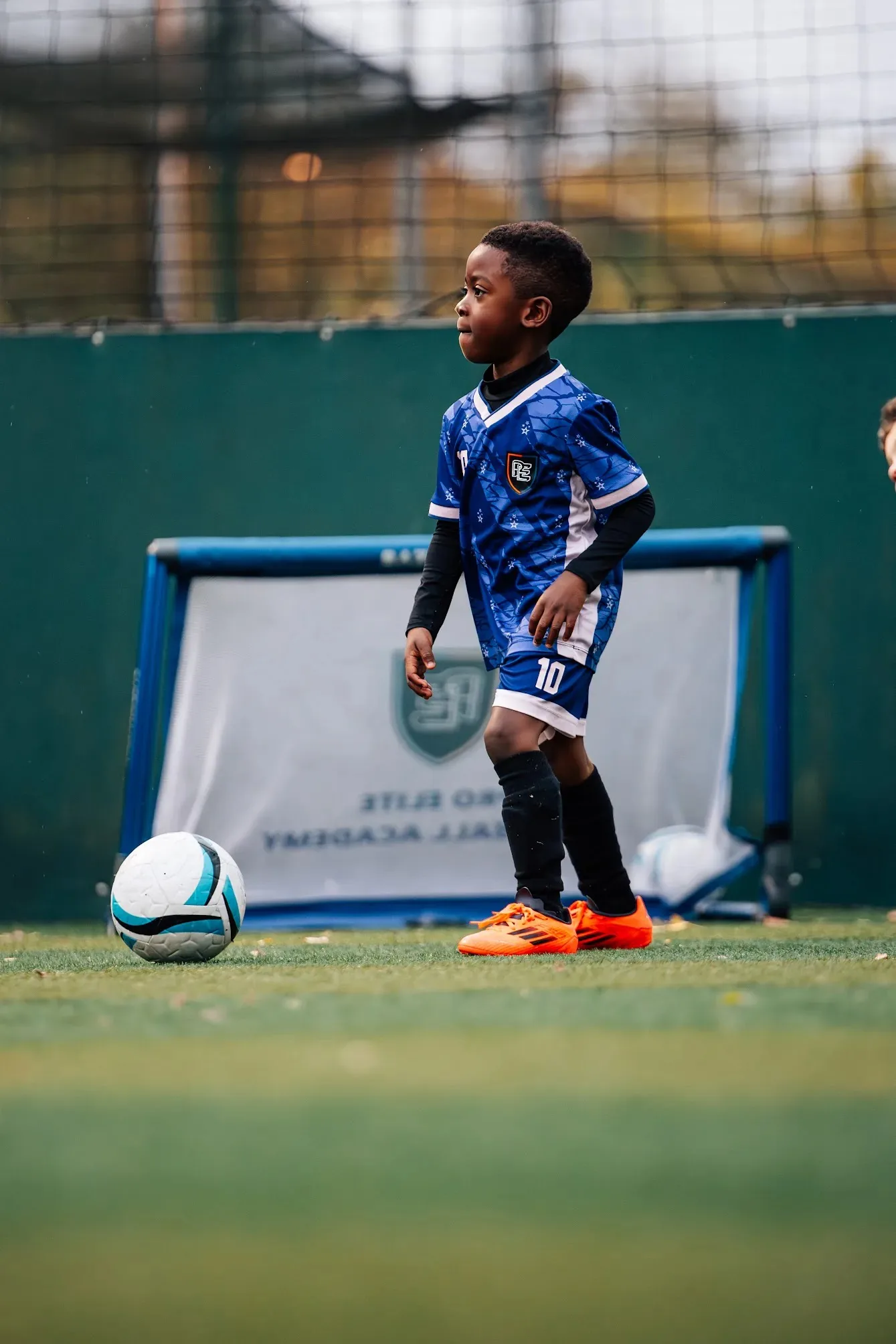
It is super important to understand what goes into the designing of our toddler sessions, especially if you are interested in your child pursuing football as a hobby early on in their life.
When we sit down on a Tuesday morning every week and design the plans for the rest of the Academy to follow that weekend, we go back to our “Periodisation” document, which gives us the framework of what the children need to learn in that block of their development.
Now, that may sound complex, but its simple.
We have built a framework and a football ideology over the last 10 years of being in the business of “Starting” a child’s football journey.
We have seen Ernest, Kaiden, Carter, Kahdel (and the rest of the superstars on our Hall Of Fame page) go through that early development and we have refined our process to make sure there is always a balance between what they need to learn in those early years, and making sure that we help them fall in love with football.
Each “learning block” is split into 4 weeks of refined learning, where there is a focus and our sessions are designed to reflect that block of their learning.
Instead of going through each block, I am going to focus on one part: Movement.
A 2 year old starting football for the first time with us needs to develop one skill before they graduate into our next class - the ability to “move, and move efficiently”.
That movement block is broken down into “Agility, Balance, Coordination”, ABC’s.
We disguise these movements into fun games, where the children have to move in different ways, in different directions and usually “multi-tasking” so that they have to hold/throw/place something in and on things that help to develop their coordination.
If there is one thing that “Elite” level players have at 8 and 9 years old, it is the ability to move well.
If we start that journey early enough, we give the children the best possible head-start.
 NEWS
NEWSCoach Ali
Dec 2, 2025, 05:15 PM
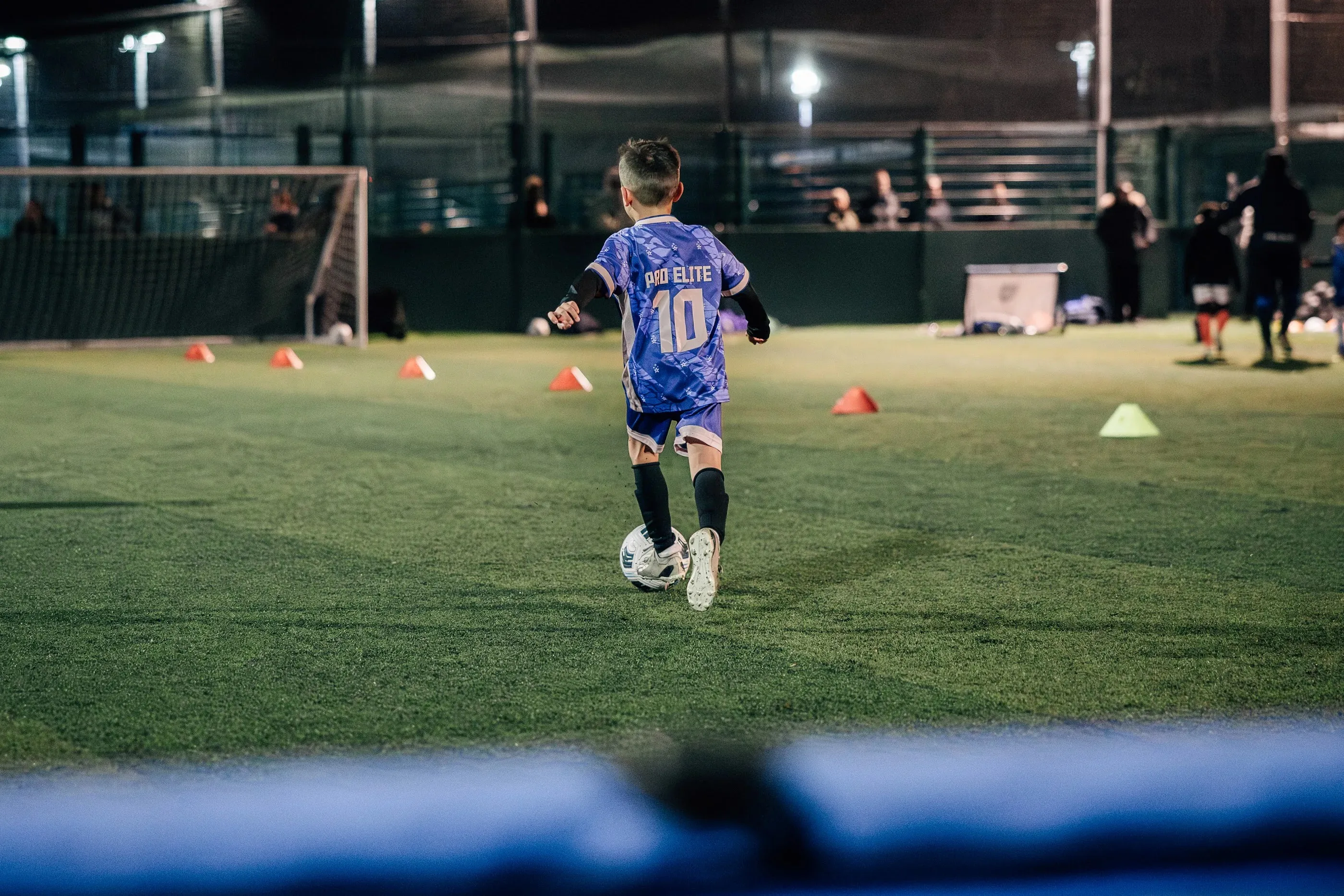
In 2016, when I was scribbling notes on a piece of paper and trying to piece together what I thought the identity of my “dream football academy” would look like, everything came back to one thing: players being comfortable enough to stay on the ball.
In the current moment, staying on the ball is a phrase that gets thrown around by many coaches and disagreed with by just as many. But the term — and the philosophy — in my humble opinion, is extremely misunderstood.
Staying on the ball: dribbling, just to dribble?
Staying on the ball requires children to become comfortable manipulating the ball both under no pressure and then under pressure. It requires children to make decisions on how to hide the ball, protect the ball, and then produce an action at the end of it. But this is where the majority of the misunderstanding lies.
When children are asked to stay on the ball, it should be for a number of reasons:
As Arsène Wenger once famously said: “The first condition is that the player must be technically capable to express what is tactically asked.”
Without enough practice at a young age, players won’t be exposed to enough scenarios where they are forced to manipulate the ball under pressure — tightening and enhancing their technical ability. This can be taught in both unopposed practices (with no pressure) and opposed practices (under pressure from an opponent).
This is where children practise. They practise twisting, turning, hiding the ball, and eliminating or outwitting opponents, so that when they’re old enough to play in a team — under a coach who has specific instructions — they are technically able to produce the outcome necessary to keep being selected.
Now that we know staying on the ball is a skill that can be improved, let’s talk about why — and how — it improves a child’s decision-making.
The first step is being comfortable enough to manipulate the ball under pressure. But what comes next?
Children should then be taught that dribbling is a vehicle — and a vehicle needs an action at the end of it.
After your dribble, has there been a pass? A shot? A cross?
And if not, why not?
That last question is where decision-making happens — and where it can be improved.
Assuming that you want to, here are some practical things children can practise:
Unopposed practices:
Practices where children have high repetitions manipulating the ball under no pressure, so they can experiment with ways to hide/protect the ball and eliminate potential defenders with moves. Preferably done on the move and at speed.
Semi-opposed practices:
Similar to the above, but with “fake pressure” applied. This teaches children how to execute what’s needed in specific scenarios. For example, if your fake pressure puts them in a position where they need to get past you to advance, they should learn the space, timing, and skill required to eliminate you.
Opposed practices:
This is where children link what they’ve learned to live defending. Again, it should vary:
Is the pressure from in front? To the side? Behind?
What’s required in each scenario?
Finishing with an action:
Another layer is needed now.
Do you want the child to shoot after the dribble? Provide goals.
Do you want them to pass? Give them a teammate.
A cross? Have a teammate arriving in the box.
Staying on the ball is a process, not an event. It’s not a single eureka moment. And you have to stay committed to the process for years to see the real benefit.
 BLOG
BLOGPro Elite
Nov 25, 2025, 11:22 AM
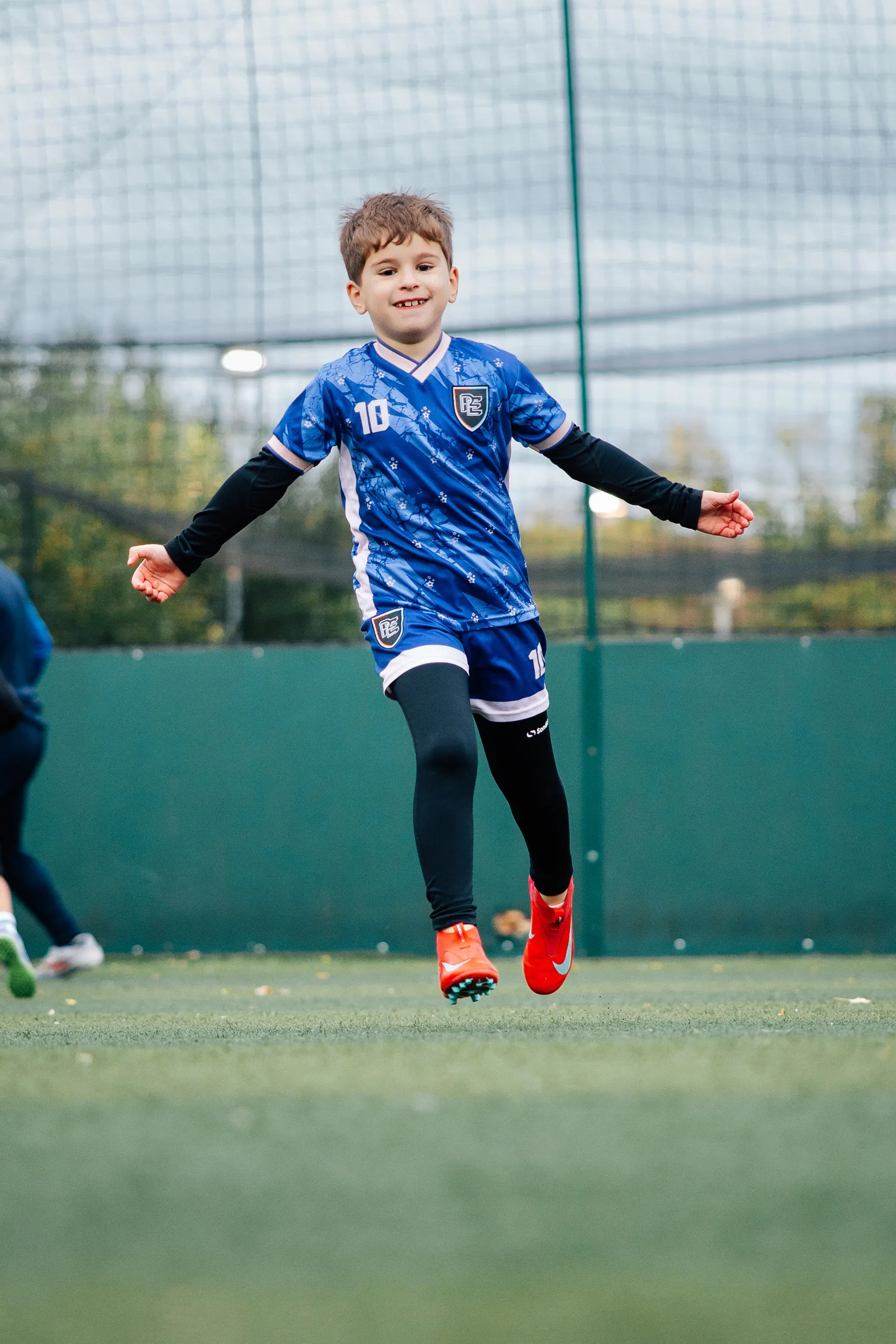
One of the most common questions we hear from parents is: “How do I know if my child is ready to join a sports class?” Every child develops at their own pace, but there are some clear signs that they’re ready to take the leap.
The Signs to Look For
If your child shows lots of energy, loves running, jumping, or chasing a ball, they may be ready. Curiosity is another clue — if they watch older siblings or children playing sport with interest, that’s a good sign. Being able to follow simple instructions (like tidying up toys) is helpful too. And if they’re starting to enjoy playing with other children, they’ll love the group environment of a sports class. Finally, if you find yourself searching for a fun, active outlet for their energy, it might be the perfect time.
Why It Matters
Starting sport early builds healthy habits, boosts confidence, and teaches children valuable skills like listening, sharing, and resilience. It’s not about scoring goals — it’s about enjoying movement and learning in a safe, fun environment.
Conclusion
If your child shows even a few of these signs, they’re probably ready to give it a try.
👉 Book a free trial at your nearest Pro Elite and let your superstar take their first step into sport with us.
 BLOG
BLOGPro Elite
Nov 25, 2025, 11:20 AM
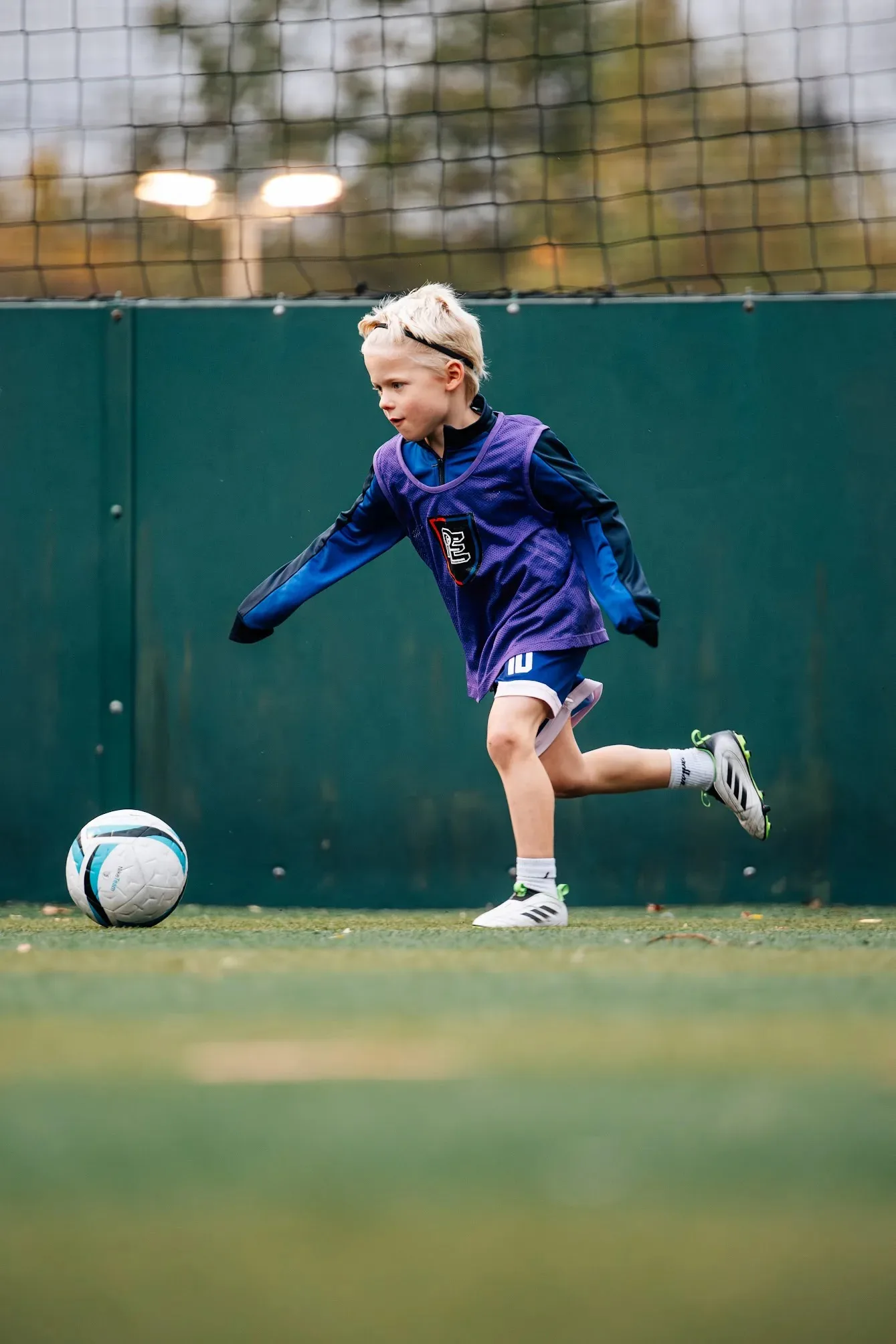
When it comes to choosing your toddler’s first sport, parents are often torn. Swimming, gymnastics, rugby tots, dance — there are so many options. But there’s one sport that stands out as the perfect first step: football.
Accessible for Every Child
Football is simple and universal. All you need is a ball and a little space. From their very first steps, toddlers can kick, chase, and explore through football. It’s the easiest way for them to be active, have fun, and begin developing skills.
Builds All-Round Development
Football isn’t just kicking a ball. At Pro Elite, our toddler sessions are designed to develop:
Motor skills like balance, coordination, and agility.
Early learning such as colours, numbers, and shapes through fun games.
Confidence as they try new things and succeed in small steps.
Social skills as they share, take turns, and play alongside other children.
Parent Involvement
Unlike many toddler sports, football can include parents on the pitch — creating bonding moments that are as rewarding for adults as they are for children.
Conclusion
Football is more than a game. For toddlers, it’s a gateway to learning, fun, and confidence. That’s why thousands of families across the UK choose Pro Elite as the first step in their child’s sporting journey.
👉 Book your toddler’s free trial class today and see why football is the best first sport.
 BLOG
BLOGPro Elite
Nov 25, 2025, 11:18 AM
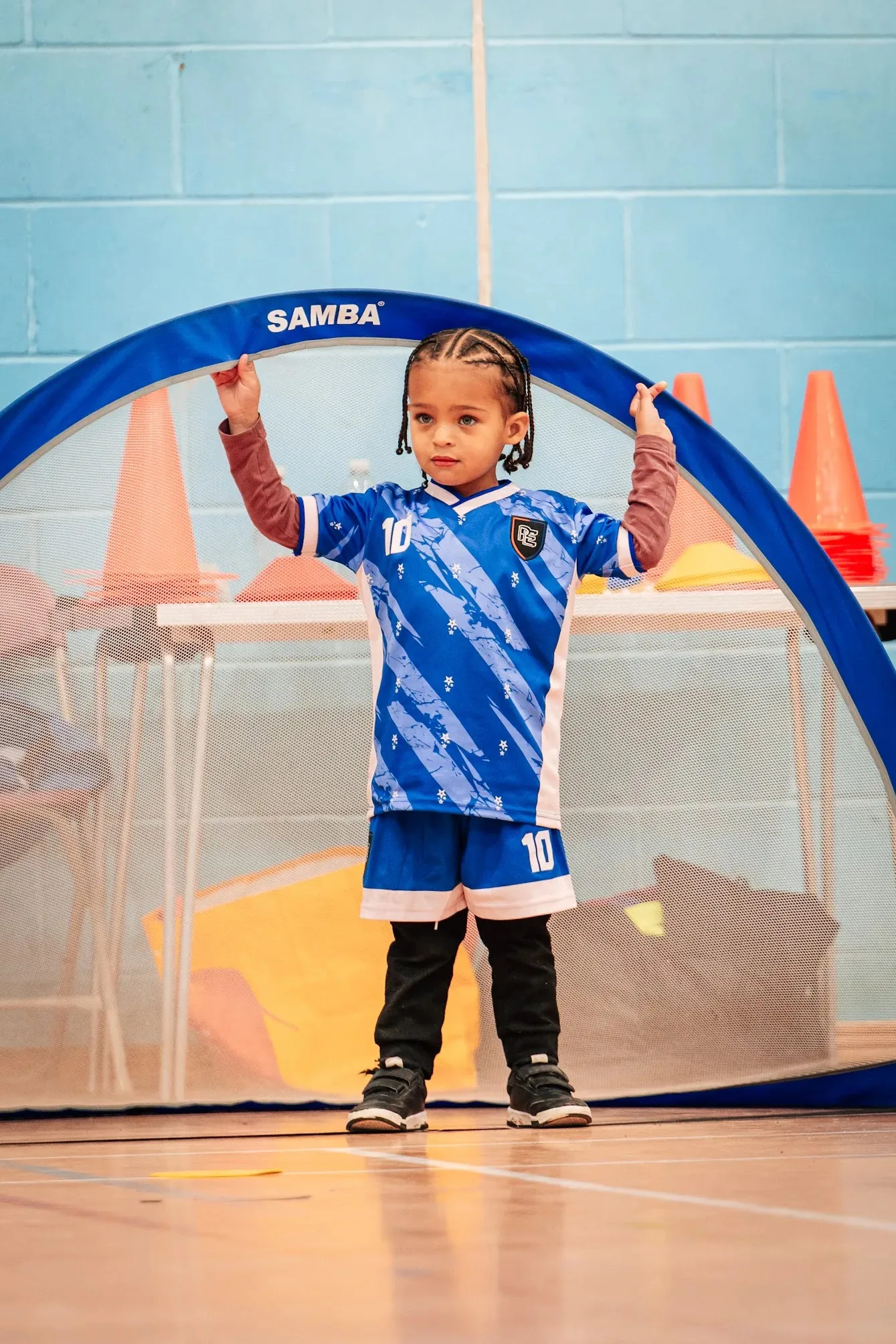
At age 3, it’s not about scoring goals — it’s about building confidence and enjoyment through play.
The Power of Confidence
Confidence helps children:
Football is the vehicle that we use to teach what happens above.
The real goal is confidence, smiles, and growth.
👉 Book a free trial class today — watch your child grow in confidence while having fun with football.
 BLOG
BLOGPro Elite
Nov 20, 2025, 01:28 PM
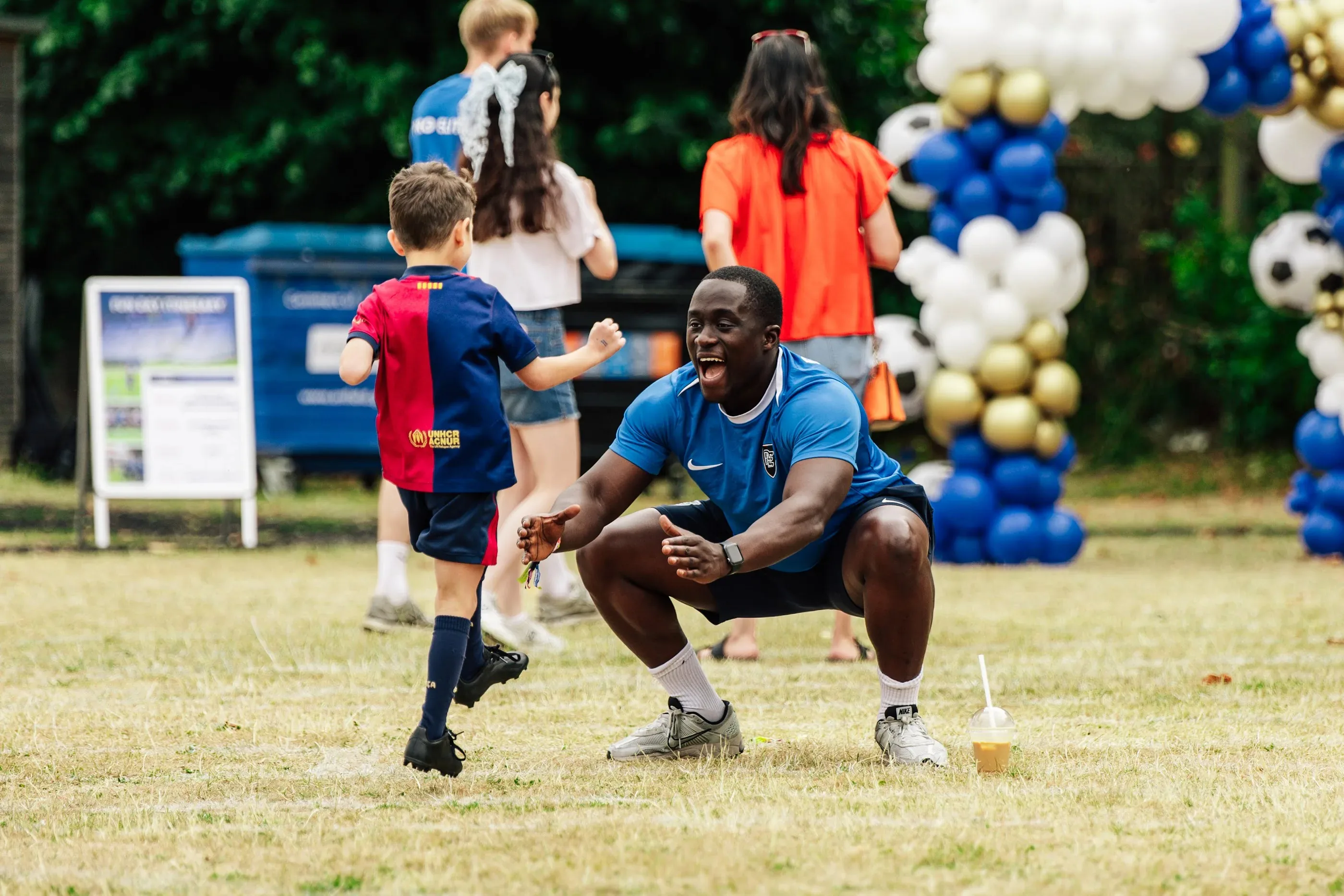
Every parent wants their child to succeed, but sometimes encouragement can unintentionally turn into pressure. Here’s how to keep sport fun and positive.
Tips for Parents
And the main one:
Be their biggest supporter, not their coach on the sidelines.
Why This Matters
Children who feel supported, not pressured, are more likely to enjoy sport, stay engaged with the game, and grow in confidence.
At Pro Elite, our sessions are designed to encourage children at their own pace. Book a free trial class and see the difference.
 BLOG
BLOGPro Elite
Nov 20, 2025, 01:26 PM
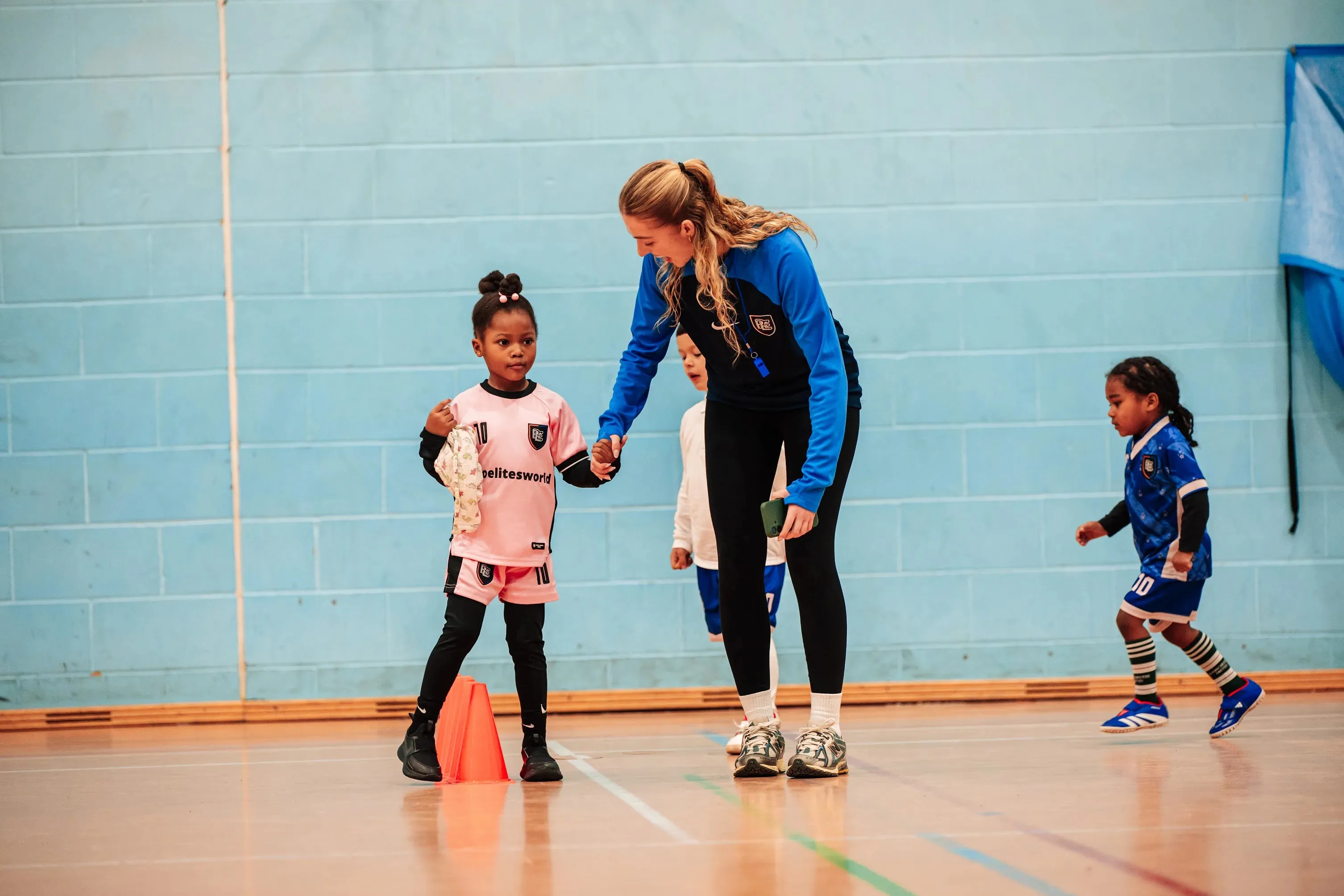
As a parent, you might be wondering: “When is the right time to start my child in a sports class?” The truth is, every child is different — but there are some clear signs that show they’re ready to join in.
The Signs
Why It Matters
Starting sports early builds confidence, social skills, and healthy habits that last a lifetime.
👉 If your child is showing these signs, book a free trial class and let them discover the joy of football.
 NEWS
NEWSCoach Ali
Nov 20, 2025, 01:02 PM
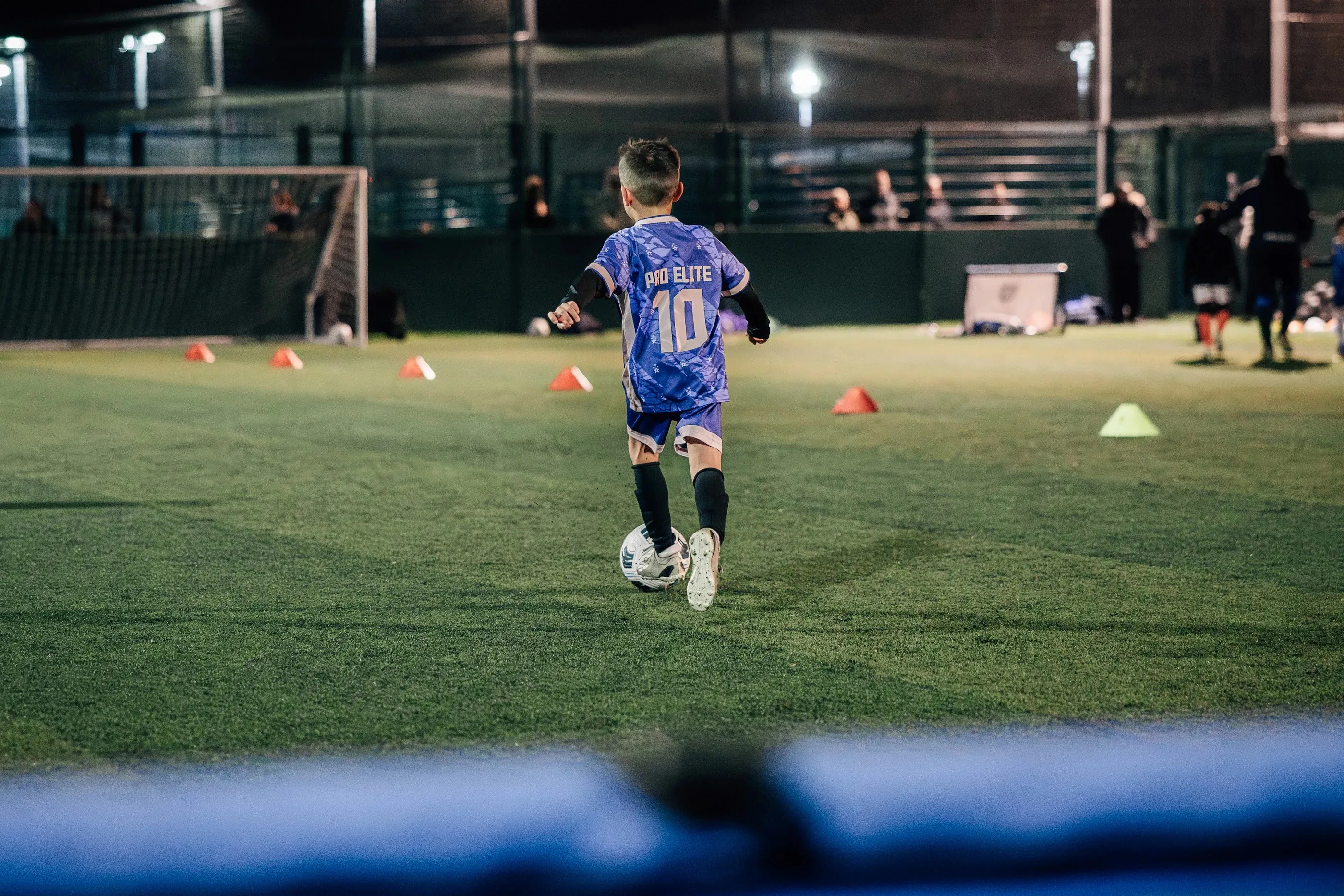
As we wrapped up our last Quarter, I wanted to share a message with our broader Pro Elite Family.
Over the last few months, I am proud of our team and what we have managed to do bring make football more accessible to all, including:
1. Opening the doors in Peterborough + kick off the launch with Coach H - giving more toddlers and pre-school children the chance to start their football journey and fall in love with the beautiful game.
2. Plan our annual Christmas Cup event - with all of our locations giving boys + girls aged 7 - 9 the opportunity to travel down to North London on the 22nd December. It's set to be 🔥
3. Receive our first ever Autumn/Winter collection stock, and launched brand-wide. We were 90% sold out within 22 minutes!
4. Help organise the openings of new venues in: Barnet, Finchley + Ware.
5. Grow participation to over 2,500 children per week across our network.
+ my favourite bit? I am still able to be on the grass coaching twice a week 😅
I can't wait to see what the next few months have in store for us as we gear up for a busy Christmas period.
Coach Ali
 BLOG
BLOGPro Elite
Aug 27, 2025, 08:32 PM
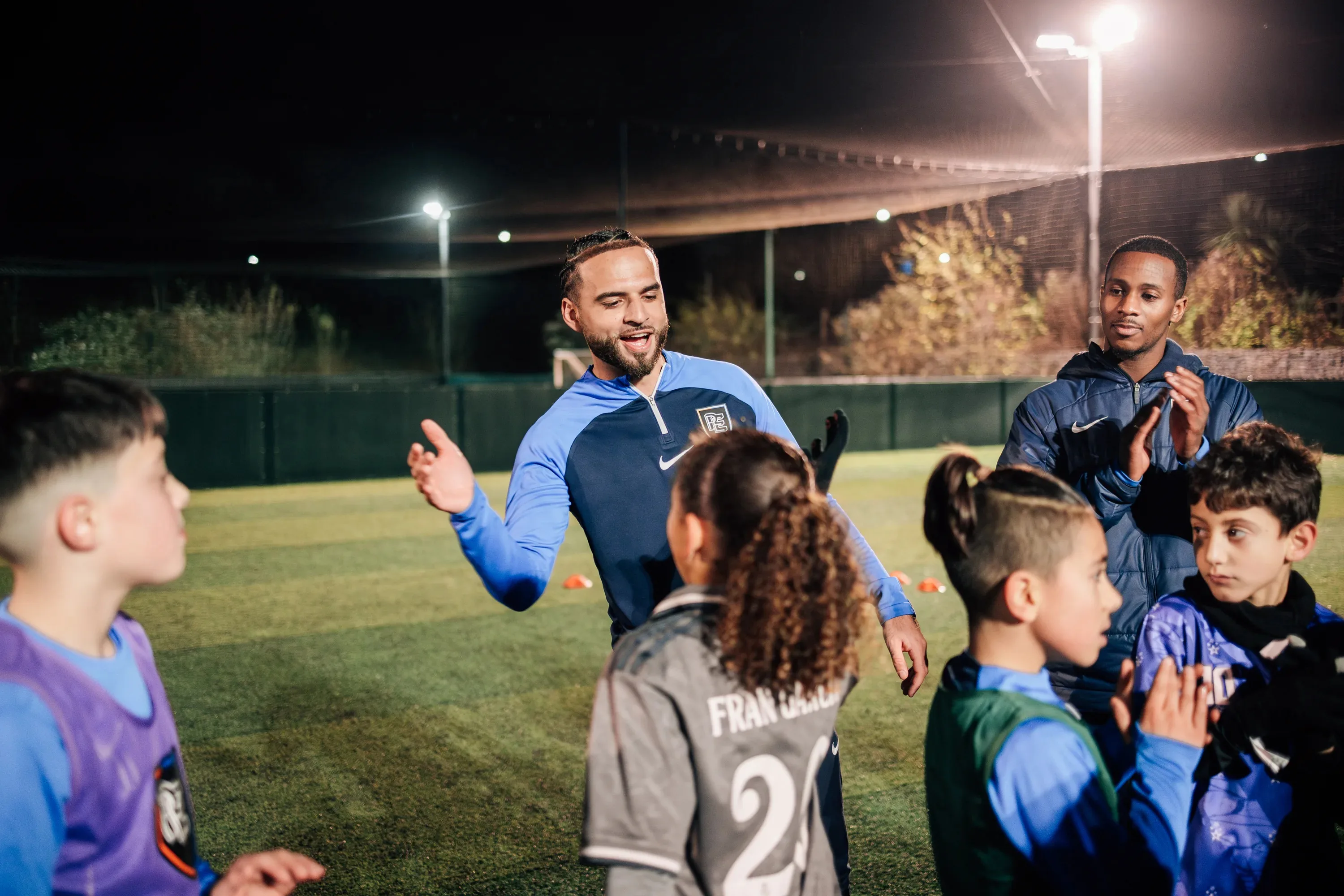
Starting school can feel daunting — not just for children, but for parents too. Football is a fantastic way to prepare children socially, emotionally, and physically for that big step.
You don’t need to wait for school to start building these skills. Football creates a fun, safe environment where children learn without even realising it.
👉 Prepare your child for school and life. Book a free trial football class and give them the gift of confidence.
 BLOG
BLOGPro elite
Aug 27, 2025, 03:51 PM
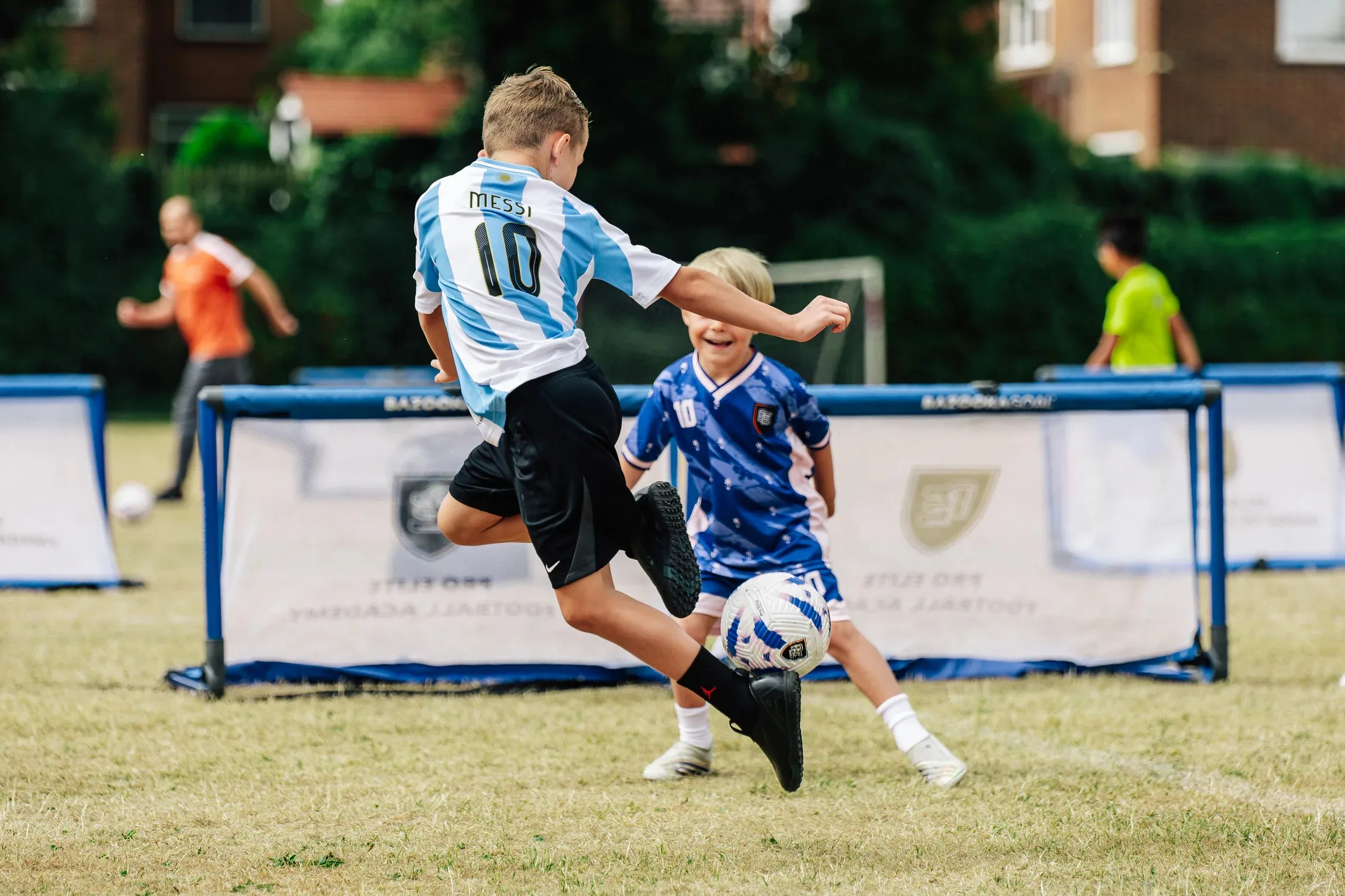
👉 Football is the tool, but confidence is the goal. Book your child’s free trial class and see the benefits go far beyond the pitch.
 BLOG
BLOGPro Elite
Jun 13, 2025, 11:24 AM
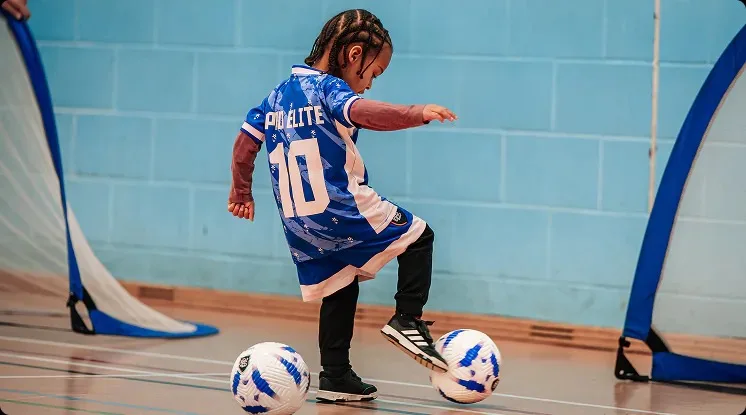
Parents often ask, “Isn’t 18 months too young to start football?” The answer is no — in fact, it’s the perfect time. At this age, children are naturally curious, developing balance, and learning through play. Football is simply the tool we use to unlock these vital skills.
Football at 18 months isn’t about scoring goals. It’s about creating the foundation for a lifetime love of sport. Many of our players who started as toddlers now play at advanced levels, with confidence that began from their very first kick.
👉 Give your child the perfect start. Book a free trial class today and see how much fun football at 18 months can be.